




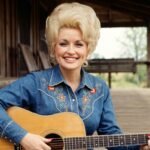



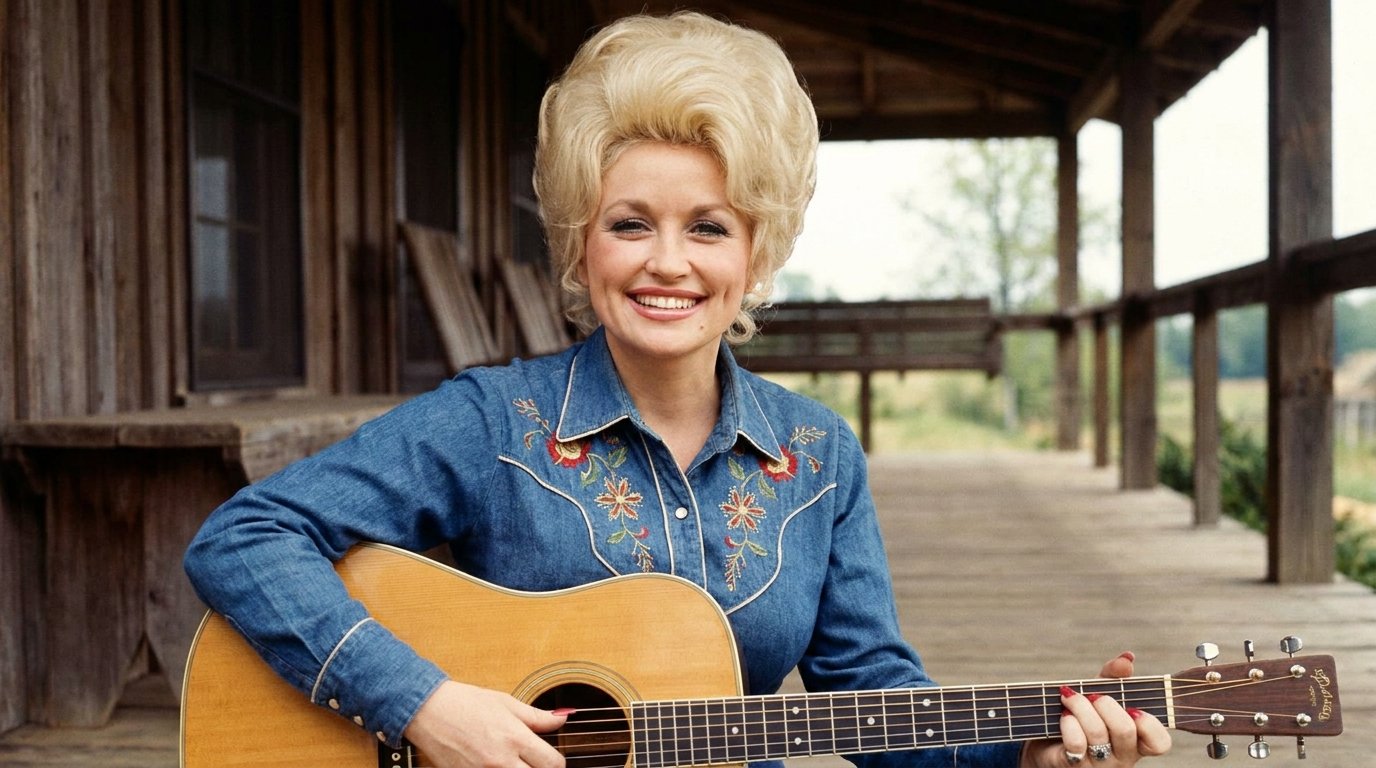
When people search for dolly parton young, they are often curious about the woman behind the famous blonde wigs, sparkling outfits, unforgettable songs, and larger-than-life personality. Before she became one of the most recognizable entertainers in the world, Dolly Parton was a talented child growing up in the mountains of East Tennessee.
Born on January 19, 1946, in Locust Ridge, Tennessee, Parton was the fourth of twelve children in a poor but deeply musical family. Her early surroundings played an enormous role in shaping her personality, songwriting, ambitions, and connection to Appalachian culture.
The story of dolly parton young is especially fascinating because her career did not begin after she became an adult. She was writing songs, singing publicly, and appearing on radio and television while still a child. By her teenage years, she had already performed at the Grand Ole Opry and was determined to make music her life’s work.
Dolly Parton’s Childhood in Tennessee
The story of dolly parton young begins in the Great Smoky Mountains of Tennessee. She grew up in a large family where money was limited, but music was an important part of everyday life. Her father, Robert Lee Parton, worked hard to support the family, while her mother, Avie Lee, encouraged music and storytelling in the home.
According to the Country Music Hall of Fame, Parton’s mother taught her church music as well as traditional ballads connected to the family’s heritage. Her grandfather was also a fiddling preacher and songwriter. This musical environment gave young Dolly an early understanding of melody, storytelling, and performance.
Her childhood was not glamorous. The Parton family experienced poverty, and Dolly later transformed many of those experiences into songs. Rather than hiding where she came from, she made her Appalachian upbringing an important part of her artistic identity.
One of the clearest examples is “Coat of Many Colors,” which tells the story of a handmade coat created from pieces of fabric. The song reflected a real childhood experience in which Dolly was teased at school because of her homemade clothing.
Dolly Parton Young and Her Early Love of Music
Music became important to Dolly Parton at an exceptionally young age. She learned to sing in church and became interested in songwriting while she was still a child. Her family members also played an important role in encouraging her natural ability.
The Tennessee State Museum notes that an uncle gave Dolly her first guitar when she was eight. By age ten, she was performing on a radio program in Knoxville, and her confidence as a young performer continued to grow.
This early experience helps explain why dolly parton young remains such a popular search topic. Unlike many performers who discover their passion later, Parton was already developing her professional identity while growing up.
Her early songs were strongly influenced by family, religion, poverty, relationships, and mountain life. These subjects eventually became some of the central themes of her songwriting career.
“Dolly’s legacy is not celebrity, but humanity.” — Kyle Young, Country Music Hall of Fame and Museum
Her First Performances on Radio and Television
One of the most remarkable parts of dolly parton young was how quickly she moved from singing at home and church to performing professionally. By around age ten, she was appearing on local television and radio programs in the Knoxville area.
For a child from rural Tennessee, traveling to Knoxville to perform represented a major step. Yet Dolly already understood that performing was more than a hobby. She wanted to become a professional entertainer.
Her early television and radio appearances helped her develop skills that would later become essential to her career. She learned how to communicate with an audience, control her voice, tell stories, and create a memorable stage personality.
Those early experiences also gave her confidence. Instead of waiting for someone else to discover her, young Dolly actively pursued opportunities to perform.
Dolly Parton’s Grand Ole Opry Debut
A major milestone in the story of dolly parton young came when she performed at the Grand Ole Opry as a teenager. Sources differ slightly on the exact circumstances surrounding the performance, but major biographical accounts place her Opry appearance at about age thirteen.
The Grand Ole Opry was already one of the most important institutions in country music. Performing there as a teenager was an extraordinary achievement for someone who had grown up in rural East Tennessee.
That appearance strengthened Dolly’s belief that she could build a future in music. She was no longer simply a talented girl from the mountains; she was becoming a serious young performer with professional ambitions.
Her early exposure to the country music world also brought her into contact with established stars. These experiences helped shape her understanding of the business and the kind of career she wanted to create.
Dolly Parton Young: Key Facts at a Glance
| Early-life detail | Information |
|---|---|
| Full name | Dolly Rebecca Parton |
| Birth date | January 19, 1946 |
| Birthplace | Locust Ridge, Tennessee |
| Family position | Fourth of twelve children |
| Musical background | Church music, Appalachian traditions, family influences |
| First guitar | Given to her by an uncle at age eight |
| Early performances | Radio and television in Tennessee |
| Grand Ole Opry | Performed there as a young teenager |
| Nashville move | 1964, after high school |
| Debut album | Hello, I’m Dolly |
| Major early opportunity | The Porter Wagoner Show |
These early milestones show how quickly Parton’s talent developed. Her childhood was not simply a preparation for her career—it was already the beginning of that career.
Moving to Nashville After High School
By the time dolly parton young reached the end of high school, her ambitions were clear. In 1964, shortly after graduating, she moved to Nashville to pursue songwriting and recording opportunities.
Moving to Nashville was a bold decision. Nashville was the center of the country music industry, but becoming successful there was far from guaranteed. Dolly had talent, determination, and a growing collection of songs, but she still had to establish herself in a competitive business.
Her songwriting ability soon became one of her greatest advantages. Rather than relying only on her voice or appearance, she could create songs for herself and other performers.
That distinction became increasingly important. Dolly was not simply trying to become a singer. She was developing into a songwriter, performer, entertainer, and eventually a businesswoman.
Dolly Parton’s Breakthrough as a Songwriter
The early 1960s were a crucial period for Parton’s professional development. One of her songs, “Put It Off Until Tomorrow,” gained attention after Bill Phillips recorded it. Dolly also provided an uncredited vocal contribution that attracted interest because of her distinctive voice.
Her own recording career began to gain momentum with songs such as “Dumb Blonde.” The success helped draw attention to her talent and eventually contributed to one of the most important opportunities of her early career: working with Porter Wagoner.
This period demonstrates why researching dolly parton young is useful for understanding her later success. Her achievements were not the result of one lucky break. They came from years of writing, performing, learning, and taking advantage of opportunities.
She was already developing the qualities that would later define her: persistence, humor, emotional storytelling, business awareness, and an ability to connect with ordinary people.
Working With Porter Wagoner
One of the biggest turning points in Parton’s early career came when Porter Wagoner invited her to join his television show. The Porter Wagoner Show introduced her to a much wider audience and helped establish her as an important new voice in country music.
For young Dolly, the opportunity was valuable because television could introduce her personality and musical ability to millions of viewers. Her partnership with Wagoner also helped her gain experience with recording, touring, television production, and the business side of entertainment.
At the same time, Dolly continued developing her own songwriting identity. She understood that working with an established performer could open doors, but she ultimately wanted control over her own artistic direction.
That desire for independence became a defining feature of her career.
The Songs That Reflected Her Young Life
Several of Parton’s later songs were deeply connected to memories and experiences from her youth. Her Appalachian upbringing gave her a rich collection of stories that she could transform into music.
“My Tennessee Mountain Home,” for example, reflects her emotional connection to the place where she grew up. “Coat of Many Colors” similarly turns a difficult childhood experience into a song about family, love, and pride.
Her songwriting often avoided pretending that poverty was romantic. Instead, she could acknowledge hardship while still recognizing the emotional value of family and home.
This balance became one of her greatest strengths. She could write about difficult subjects in a way that felt personal but remained relatable to listeners from very different backgrounds.
Young Dolly Parton’s Style and Appearance
Photos of dolly parton young also attract attention because her appearance evolved dramatically over the decades. Even during her early professional years, she was developing the glamorous image that eventually became one of her trademarks.
Her hairstyles, makeup, colorful clothing, and confident presentation helped distinguish her from other performers. But her visual identity was only one part of her appeal.
Dolly combined glamour with humor and self-awareness. She understood that audiences remembered entertainers who had a strong personality, not just a good voice.
Her approach to appearance also became part of her larger message: she could be feminine, glamorous, funny, ambitious, and highly intelligent at the same time.
From Young Country Singer to Global Icon
The transformation from dolly parton young to international superstar happened gradually. During the 1970s, she increasingly established herself as a solo performer after years of working with Porter Wagoner.
She earned major country music honors and began expanding her audience beyond traditional country music. Her songwriting became internationally recognized, and songs such as “Jolene” and “I Will Always Love You” became enduring classics.
Her career later expanded into acting, television, business, theme parks, philanthropy, and other creative ventures. The Country Music Hall of Fame describes her evolution from successful country songwriter and singer into a pop star, actress, businesswoman, and philanthropist.
The young girl from rural Tennessee had built a career that crossed far beyond the boundaries of country music.
How Her Childhood Influenced Her Success
Understanding dolly parton young makes it easier to understand why her later work often felt so personal. Her childhood gave her stories, characters, emotions, and experiences that she could use as songwriting material.
Growing up in a large family also taught her about relationships and responsibility. Her connection to her mother, siblings, church, and Appalachian community became part of her creative foundation.
Her difficult financial circumstances gave her an early desire to build a better life. But she never completely separated herself from her roots.
Even after becoming extremely successful, she continued supporting her home region. Dollywood, for example, became a major economic and tourism presence in East Tennessee after its development in partnership with the Herschend family.
Dolly Parton’s Lasting Influence
The appeal of dolly parton young is about more than old photographs. Fans are interested in the early years because those years reveal the foundation of an extraordinary career.
She demonstrated that a difficult beginning does not have to determine the limits of someone’s future. Her story combines talent with discipline, ambition, resilience, and an ability to understand audiences.
Her legacy also extends beyond entertainment. Through initiatives such as the Dollywood Foundation and Imagination Library, she became known for philanthropy and literacy efforts as well as music.
Her journey remains especially inspiring because she never needed to erase her origins to become successful. Instead, she made those origins part of her identity.
Why Fans Still Search for Dolly Parton Young
Search interest in dolly parton young remains strong because photographs from her childhood and early career offer a different view of a performer most people know primarily as an established icon.
Fans can see how her style, confidence, voice, and personality developed over time. Early photographs also provide a visual connection to the Tennessee environment that influenced her music.
There is something fascinating about seeing a future superstar before the fame. Young Dolly was already ambitious and talented, but she was still a teenager trying to find her place in the country music world.
Her story reminds audiences that major careers usually develop through many smaller moments rather than appearing overnight.
Conclusion
The story of dolly parton young is ultimately a story of talent meeting determination. From a one-room cabin in Tennessee to local radio and television, from the Grand Ole Opry to Nashville, Dolly Parton’s early life was filled with experiences that prepared her for a remarkable career.
Her childhood poverty, large family, Appalachian heritage, church background, early songwriting, and teenage performances all influenced the artist she eventually became. Rather than hiding her past, she repeatedly transformed it into songs and stories that connected with millions of people.
Dolly Parton’s rise also shows the importance of believing in your abilities. She moved to Nashville after high school with a dream, worked relentlessly, and gradually turned that dream into a career spanning music, film, television, business, and philanthropy.
Looking back at dolly parton young therefore gives fans more than a collection of vintage photographs. It provides a glimpse into the determination and creativity that existed long before she became a global cultural icon.
FAQ
Who was Dolly Parton when she was young?
Dolly Parton was a talented young singer and songwriter who grew up in rural Tennessee as the fourth of twelve children. She began performing on local radio and television while still a child and later appeared at the Grand Ole Opry as a teenager.
Where did Dolly Parton grow up?
Dolly Parton grew up in Locust Ridge in Sevier County, Tennessee, in the Great Smoky Mountains region. Her Appalachian upbringing became one of the most important influences on her music and songwriting.
How old was Dolly Parton when she started singing professionally?
Dolly was performing publicly at a very young age. By around ten, she was appearing on local radio and television programs, and by her early teenage years she had performed at the Grand Ole Opry.
When did Dolly Parton move to Nashville?
Dolly Parton moved to Nashville in 1964 after graduating from high school. The move allowed her to pursue songwriting and recording opportunities in the heart of the country music industry.
What songs were inspired by Dolly Parton’s childhood?
Several Dolly Parton songs draw heavily on her childhood and Appalachian background. “Coat of Many Colors” is particularly connected to a real childhood experience involving a handmade coat, while “My Tennessee Mountain Home” reflects her connection to where she grew up.
Why is Dolly Parton’s young life important to her career?
The story of dolly parton young is important because her childhood experiences became a major source of inspiration for her songwriting. Her family, poverty, faith, Appalachian culture, and early performances all helped shape the artist she became.
What made young Dolly Parton different from other singers?
Young Dolly combined songwriting ability with an unusually strong sense of performance and personality. She was not only interested in singing; she wanted to write songs, entertain audiences, and build a lasting career. Those qualities helped distinguish her from many emerging performers.